
WASP IDENTIFICATION & REMOVAL
Wasps Around Your Home? Know What You’re Dealing With
Learn the difference between paper wasps, yellowjackets, hornets, and mud daubers—and when an active nest needs professional attention.
Keep Your Distance
Do not strike, spray, seal, or approach an active nest. Wasps may defend the nest as a group, especially when vibration or chemicals disturb it.
Bee or Wasp?
Wasps generally have smoother bodies, narrow waists, and little visible hair. Bees are usually rounder and fuzzier. Nest material and flight behavior often provide better clues than color alone.
Signs of an Active Wasp Nest
• Repeated traffic into one opening
• Open paper comb under an eave
• A gray enclosed paper nest
• Wasps entering soil or a wall void
• Defensive circling or chasing
Four Common Wasp Types
Each identification panel is fully editable in Elementor. Never rely on appearance alone when insects are defensive or the nest is hidden.
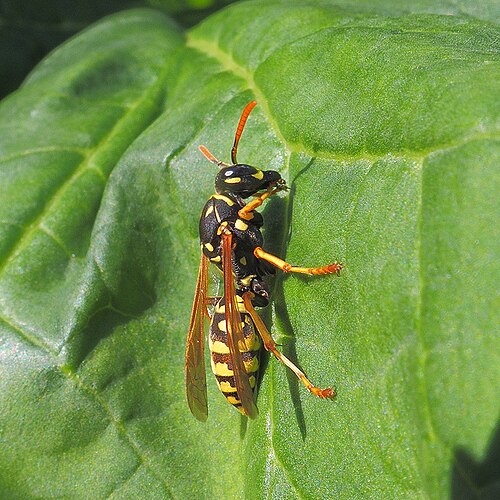
Paper Wasps
Look: Slender body, narrow waist, and long legs hanging in flight.
Nest: Exposed umbrella-shaped paper comb beneath eaves, patio covers, rails, or ledges.
Risk: May sting when the nest is approached or disturbed.
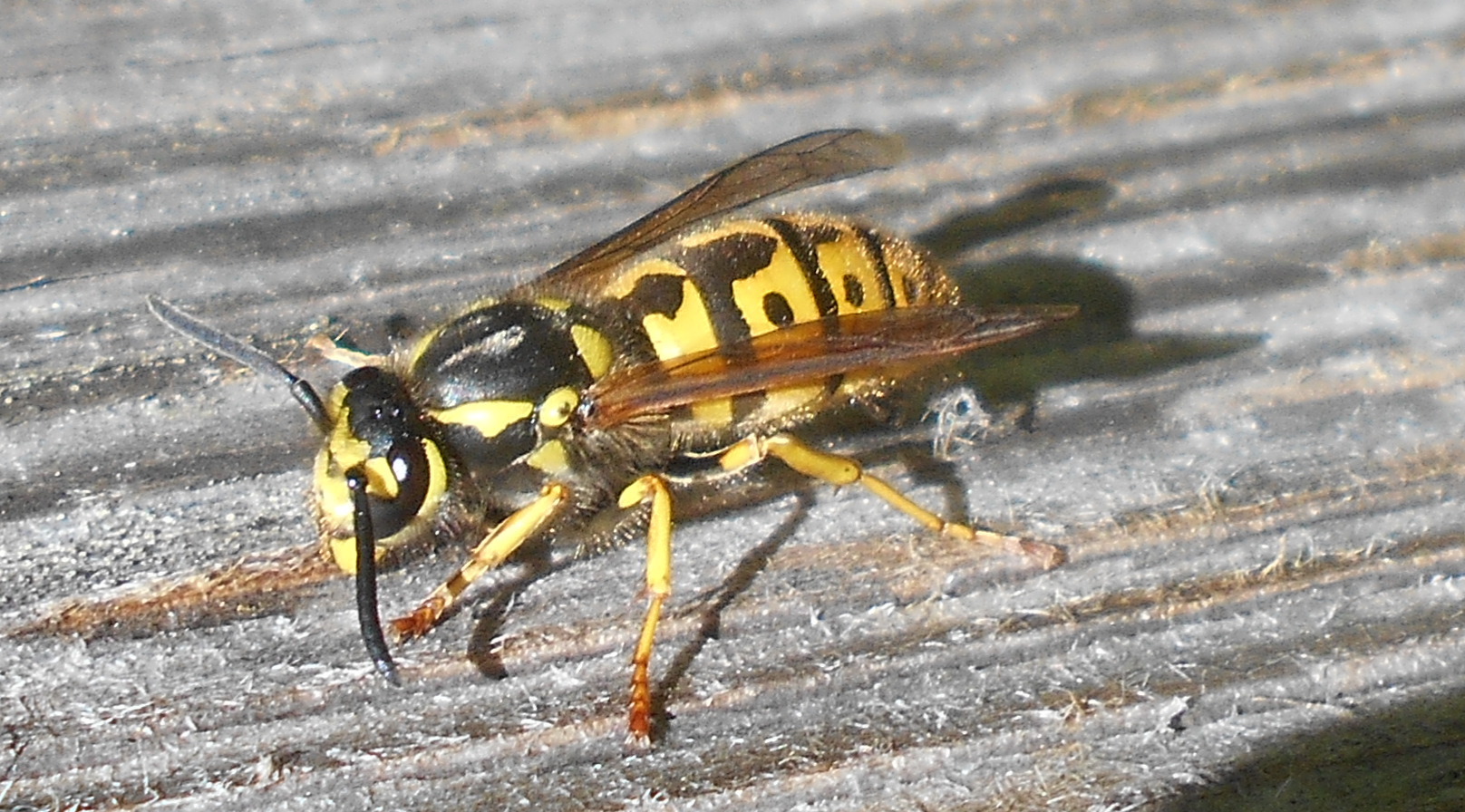
Yellowjackets
Look: Compact, smooth body with bold yellow-and-black markings.
Nest: Often underground, inside wall voids, or in enclosed cavities.
Risk: Can be highly defensive around nests and food sources.
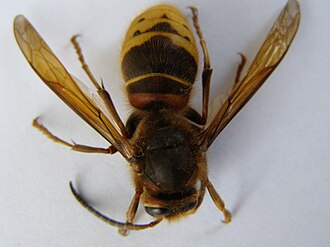
Hornets
Look: Large, heavy-bodied social wasps with powerful jaws and bold markings.
Nest: Depending on species, enclosed cavities or large paper nests.
Risk: Give an active nest substantial space and keep people and pets away.
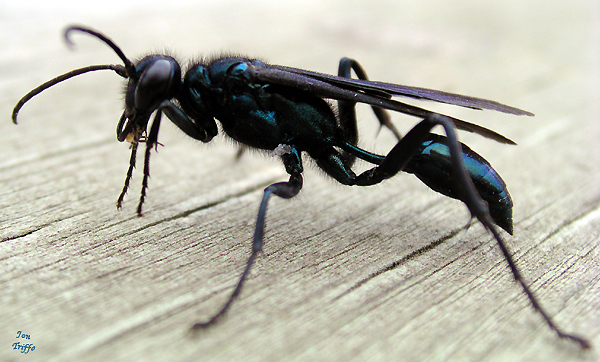
Mud Daubers
Look: Thin waist and long body; usually dark or black-and-yellow.
Nest: Individual mud tubes or clumps attached to protected walls and ceilings.
Risk: Generally less defensive than social wasps, but identification should be confirmed.
Where Wasps Commonly Nest
Inspect from a safe distance. Do not climb a ladder or place your face near an opening to confirm activity.
Rooflines & Eaves
Paper wasps often use sheltered eaves, fascia gaps, patio covers, and roof edges.
Walls & Attics
Yellowjackets and other social wasps may enter cracks leading to wall or attic cavities.
Ground & Landscaping
Underground nests may be hidden near roots, irrigation boxes, slopes, or abandoned burrows.
Wasp Removal FAQs
No. Yellowjackets are social wasps. They have smoother bodies and may become defensive near a nest or food source.
Approaching or spraying a nest can trigger defensive behavior. Hidden structural nests also may not be reached by a surface spray.
Yes. Repeated traffic through one crack or utility opening can indicate activity inside a wall, attic, roofline, or other cavity.
Mud daubers are usually less defensive than social wasps. Removal depends on the location, activity, and whether the identification is confirmed.
Clear close-up photos, nest photos, and a short video of the entry point can help narrow down the insect and recommended next step.
Also review our frequently asked questions, removal services, and service areas.